City governments, health authorities and community organisations are already making urgent decisions about heat preparedness, housing, infrastructure and the protection of populations most at risk from heat. However, evidence on the health effects of interventions such as heat action plans, early warning systems, cooling centres, cool roofs, urban greening, public shading and workplace heat-protection measures remains fragmented and unevenly distributed. Many cities, particularly those with informal settlements and limited local evaluation capacity, must therefore make decisions without directly applicable evidence.
Through Impact Case 5 (IC5), we are examining which urban heat adaptation interventions reduce heat-related mortality, illness and adverse effects on well-being in cities in low- and middle-income countries (LMICs), and under what conditions these interventions work.
We will conduct a living mixed-methods systematic review that combines quantitative evidence on intervention effectiveness with qualitative evidence on implementation, context, equity, costs and acceptability. AI-assisted tools will support the identification, screening and updating of evidence, while human reviewers will verify all important decisions and conclusions. A central component will assess when evidence from evaluated cities can be responsibly transferred to lower-resource settings.
This work is intended for evidence producers, evidence users, decision makers and community partners. Outputs will include a registered protocol, systematic review findings, evidence transfer guidance, decision-ready summaries and regularly updated evidence products. The protocol and base review will be developed from 2026, followed by monthly evidence surveillance and human-verified quarterly synthesis updates through 2028.
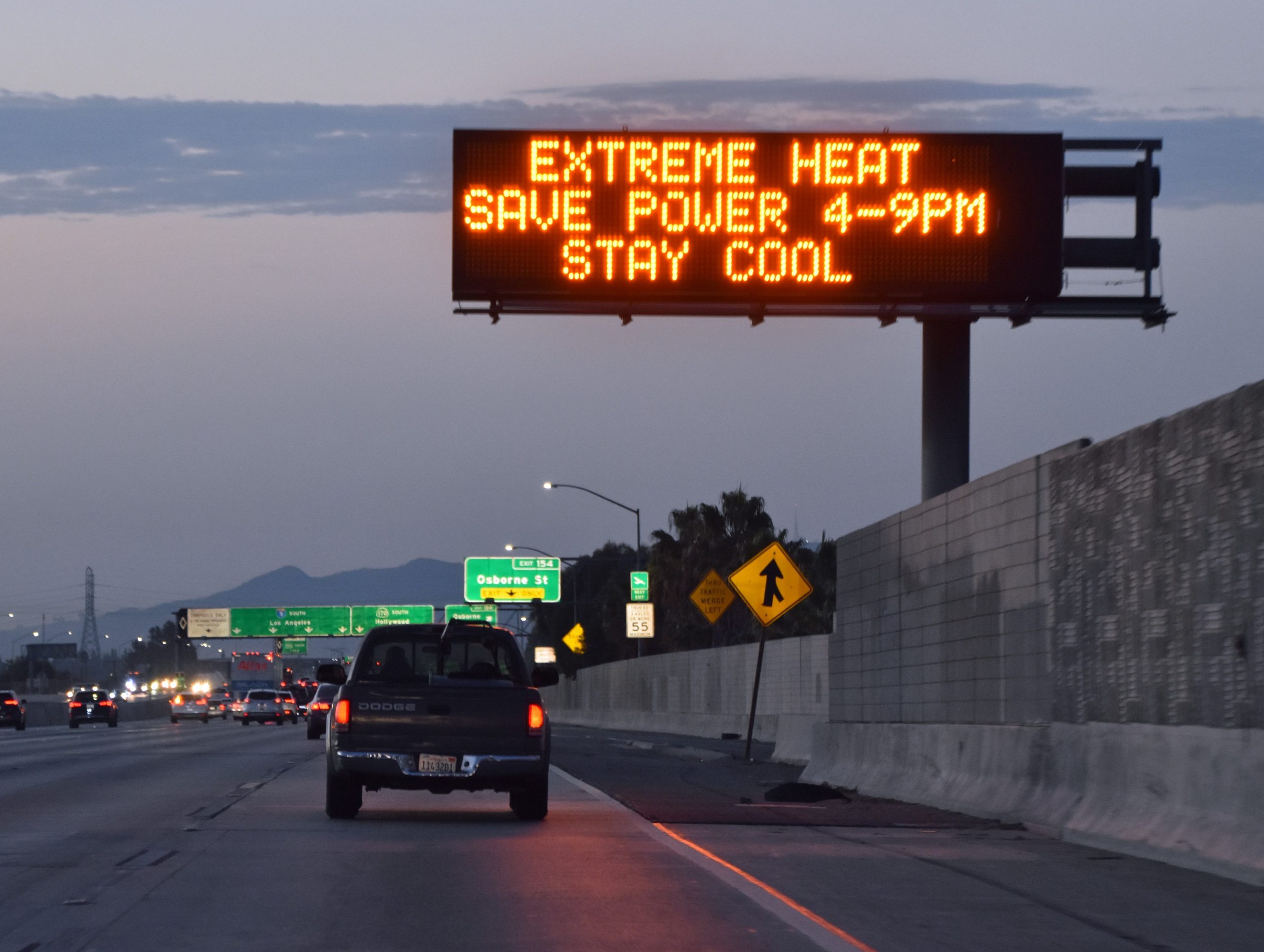
Photo: Chris Yarzab, via Flickr. Licensed under CC BY 2.0. https://creativecommons.org/licenses/by/2.0/
Publications
The protocol is being prepared for registration in PROSPERO and submission to Campbell Systematic Reviews.
People

Nick Simpson
Lead for cities
ASCEND

Promise M Nduku
Lead for urban heat adaptation
ASCEND

Dona van Eeden
Researcher
ASCEND
Ignacio Pita Vaca
Researcher
ASCEND